 FIELD NOTES / GRENADA 2026
CHAPTER 03 / FRIDAY, 23 OCTOBER 2026
Finding the words.
Seeing the work.
Communication practice, conservation partnerships and a visit to Woburn Clarkes Court Bay brought three days of exchange into focus.
View Day 3 photographs · 163 images ↗THE FINAL DAY / CONNECTING THE DISCUSSION TO PRACTICE
A conservation story needs a clear purpose.
The final day asked managers to explain why their protected areas matter, identify who could support them and connect the discussion with a real place.
The morning moved between a merchandising pilot, communication practice and examples of conservation trust fund partnerships. In the afternoon, the group left the conference room for a boat visit to Woburn Clarkes Court Bay Marine Protected Area.
The connection across those activities is practical: a protected area needs a clear account of its value, relationships that can sustain its work, and management that people can see and understand.
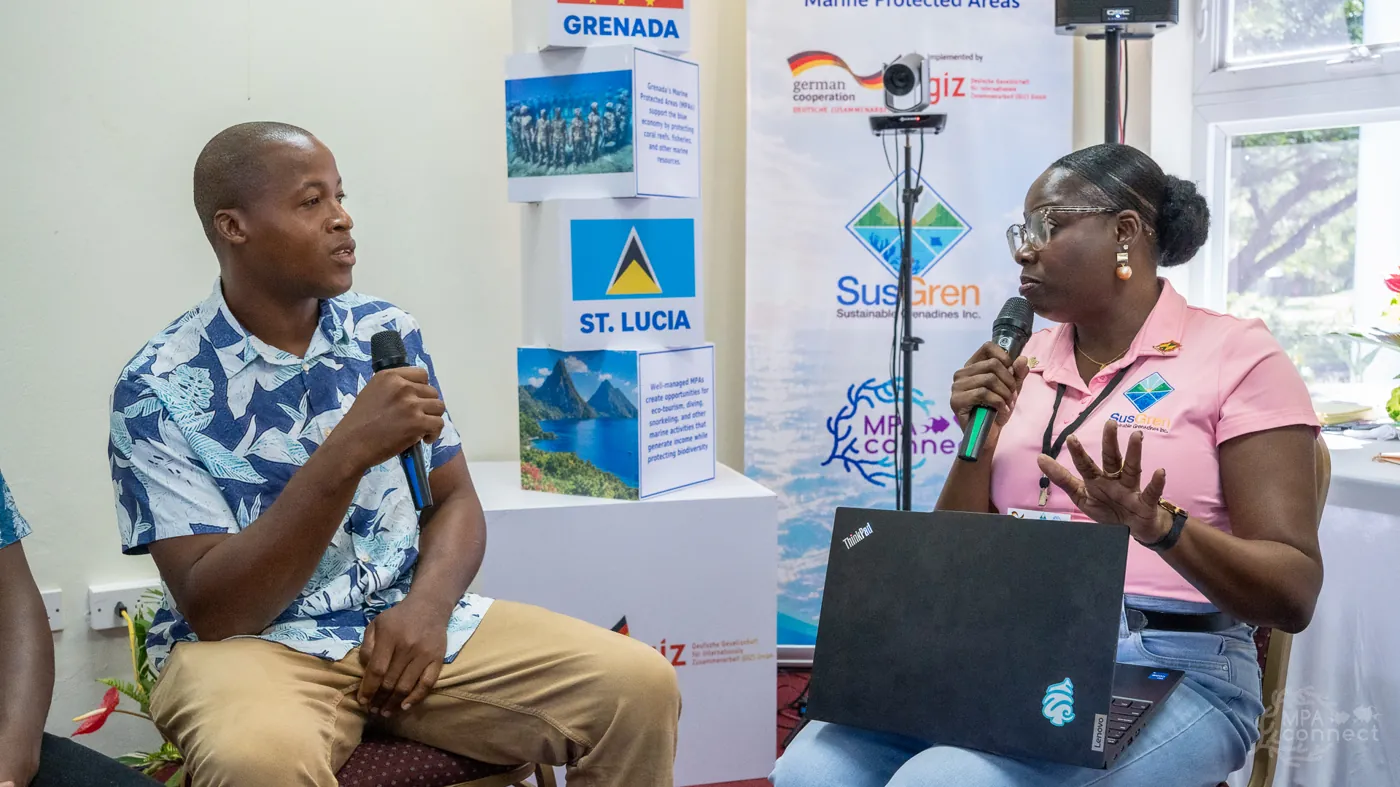
01 / LAURAH JOHN · GIZ
A small pilot, with real operating questions.
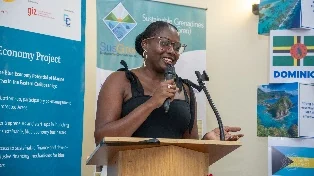
The merchandising idea previewed in Laurah John’s Day 1 opening remarks returned as a practical discussion on Day 3. She described a small GIZ-supported pilot to test whether branded items could provide supplementary income for participating MPAs.
Laurah explained that initial stock could be procured through the project, while participation would require each MPA to consider feasibility, demand, storage, inventory management and revenue handling.
The mock-ups made the discussion visible: protected-area starter kits, reusable bottles, stickers and collectible items. She emphasised choosing products suited to the site and its visitors, rather than encouraging consumption for its own sake.
Explore Laurah’s six merchandising mock-ups ↗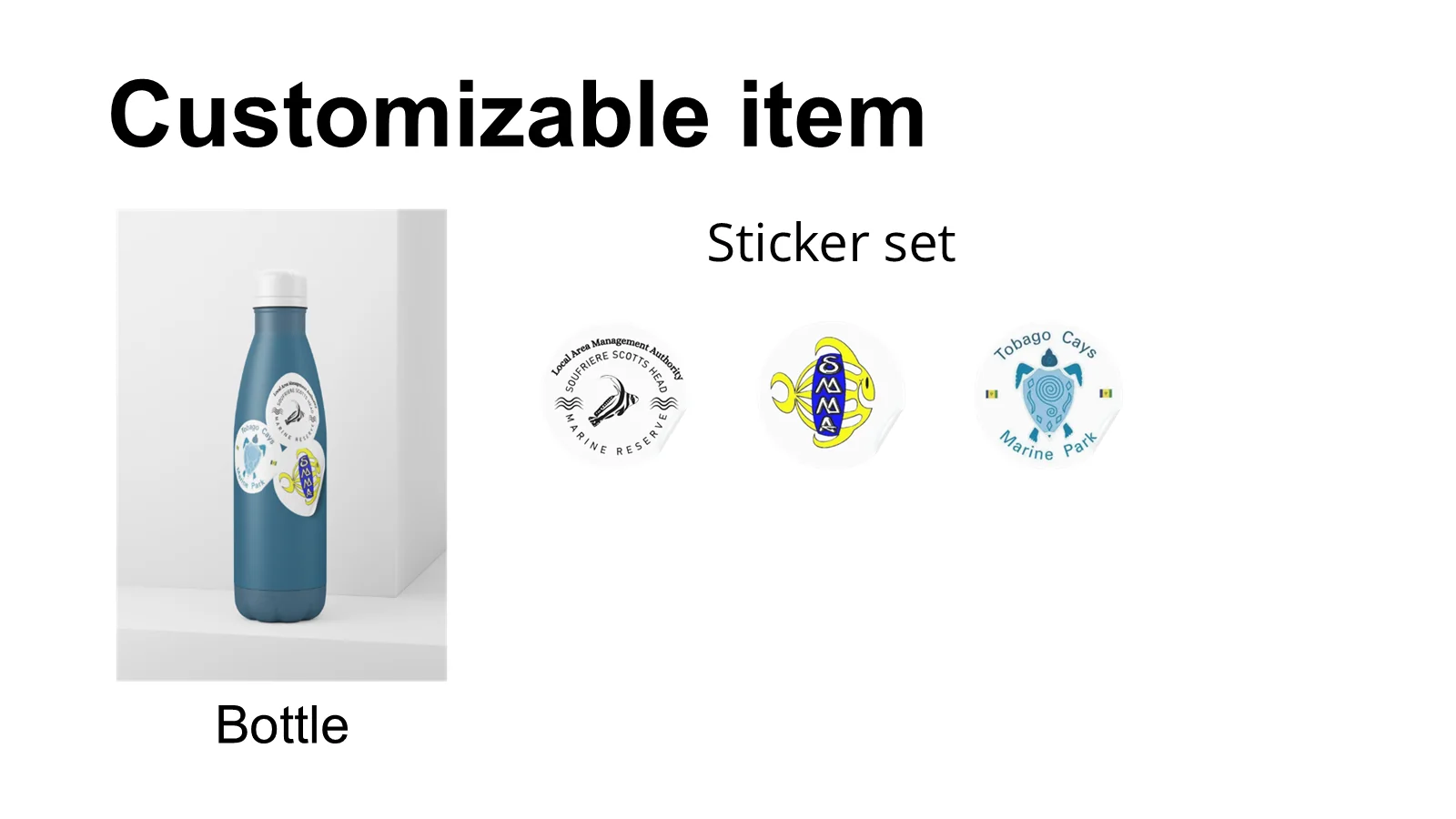
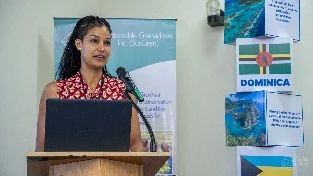
02 / ORISHA JOSEPH & PAUL ETIENNE
Choose the audience. Make the message stand on its own.
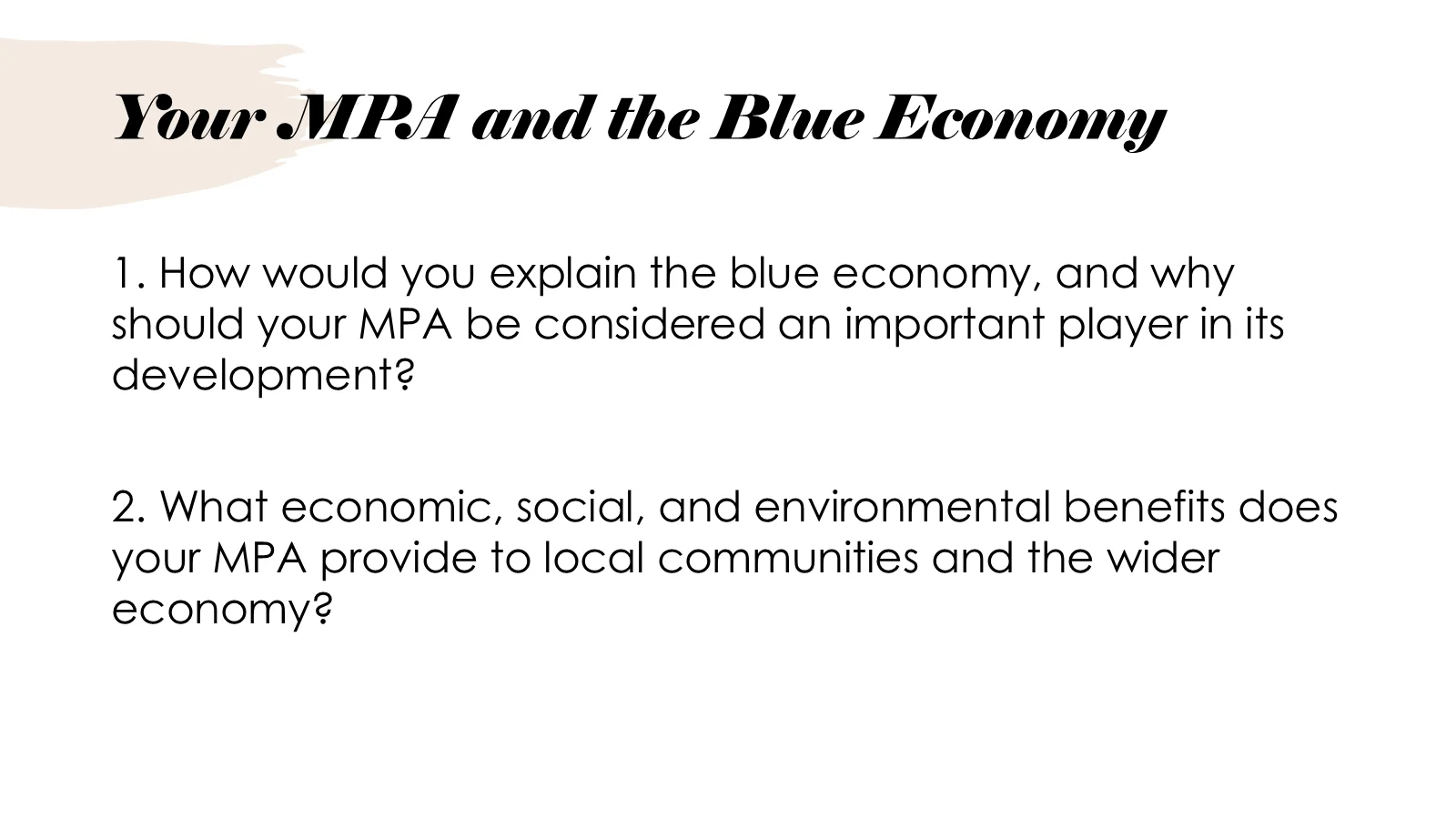
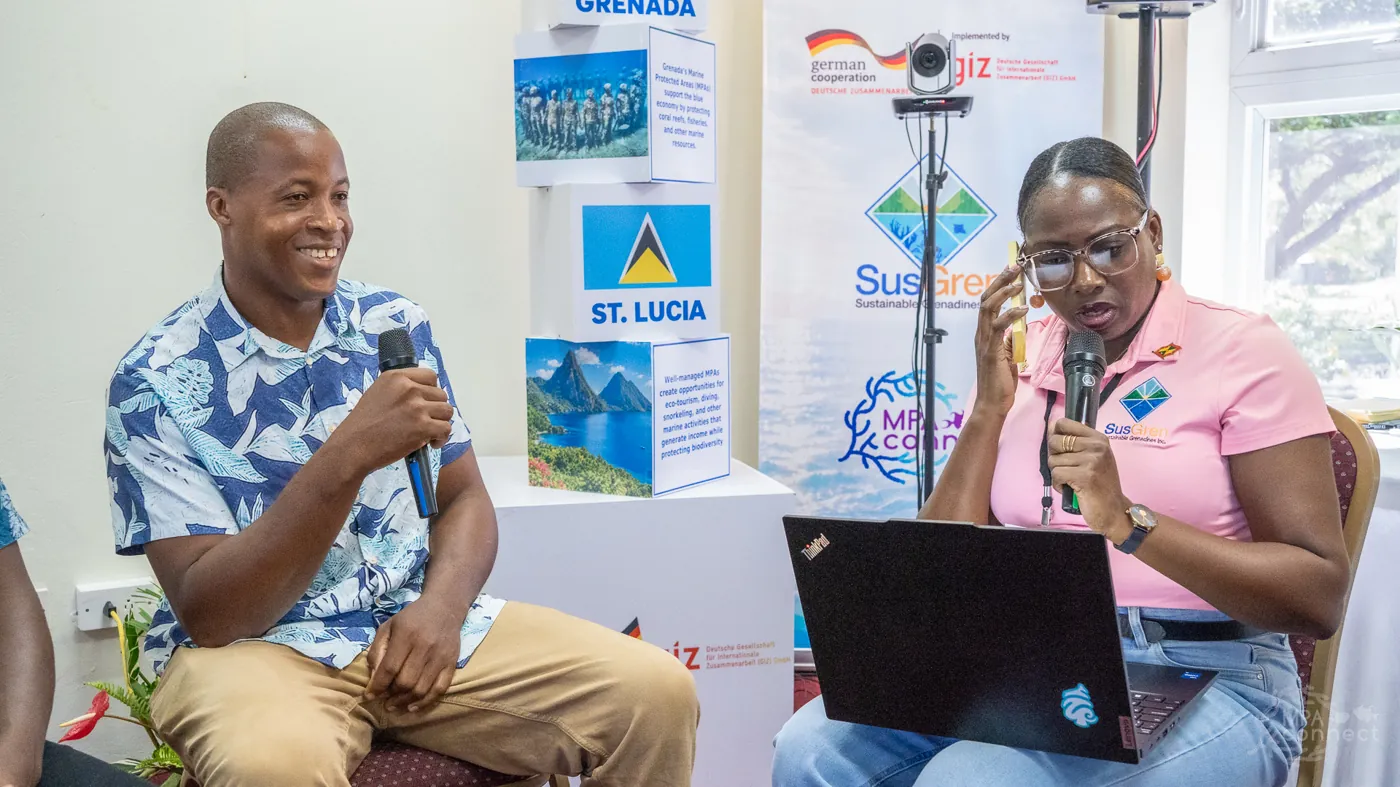
Orisha Joseph framed communication around the benefits that well-managed MPAs provide: livelihoods, fisheries, tourism, coastal resilience and a sense of place. The task was to connect those benefits with the audience a manager needed to reach.
The practice conversations asked participants to explain their protected area’s value in different situations. A message for a community member, a journalist or a decision-maker needs a clear purpose and relevant evidence.
Paul Etienne added practical interview guidance: give complete answers with enough context to stand on their own, bring the key point into the response and build some rapport before the camera starts.
Role-play gave the group a way to test those ideas, listen to feedback and try a different approach.
Start with one priority audience and what matters to them.
Use an example that connects the site’s ecological health with people’s lives.
Make the request or action clear enough to respond to.
03 / KENRICK CHAMBERS · SVG CONSERVATION FUND
A financing partner has to understand the pressures on the ground.
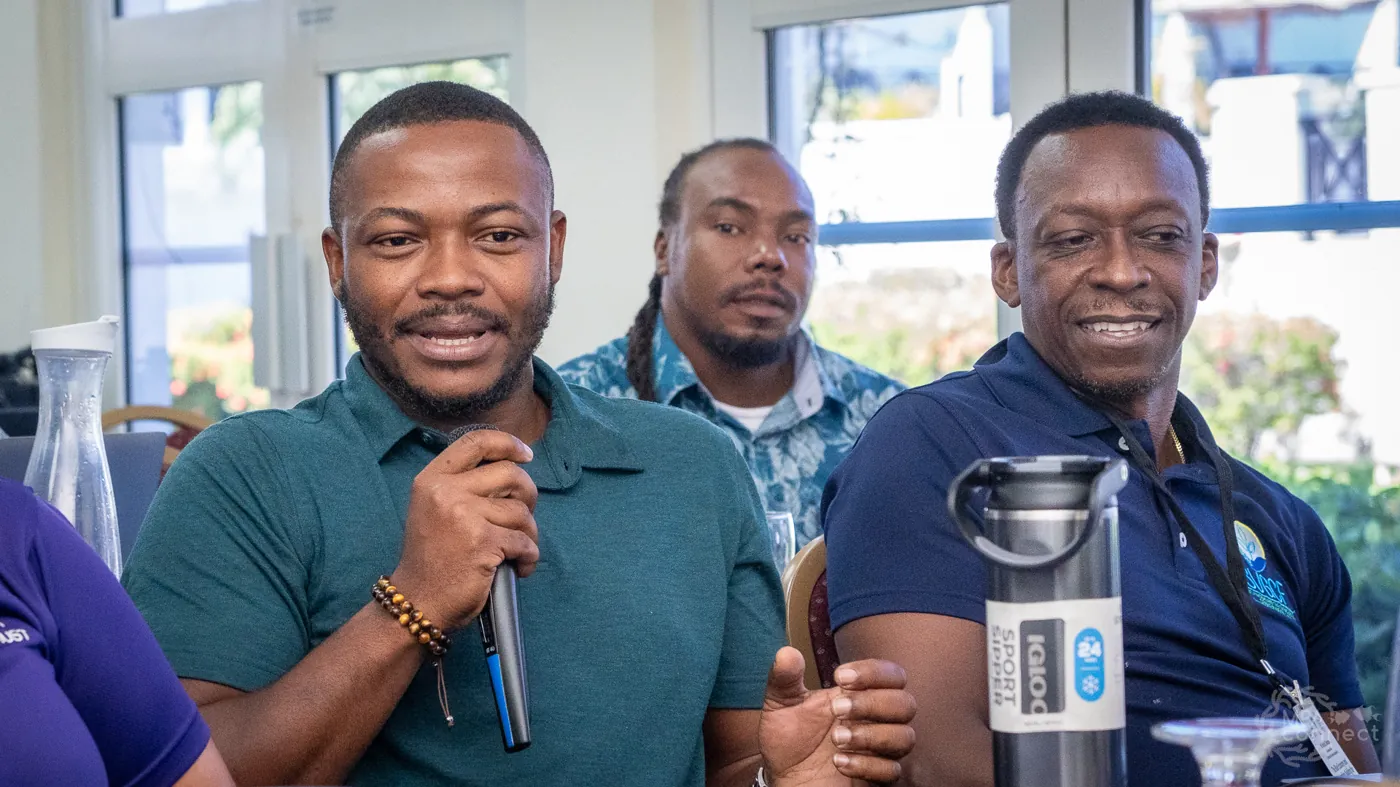
Kenrick Chambers described the St. Vincent and the Grenadines Conservation Fund’s support for conservation and livelihoods amid repeated disruptions, including the pandemic, volcanic eruption and Hurricane Beryl.
His account connected support for Tobago Cays Marine Park with wider work through local partners, including restoration and livelihood recovery. The practical lesson was about relationships as well as funding: organisations need partners who understand what has happened to the places and people they support.
The discussion also returned to the capacity required to develop proposals and maintain a dialogue with conservation funds. For managers, knowing that a funding mechanism exists is the beginning of a working relationship.
04 / DENZEL ADAMS & DR. STEPHEN NIMROD
Sandy Island Oyster Bed: restoration and proposed zoning.
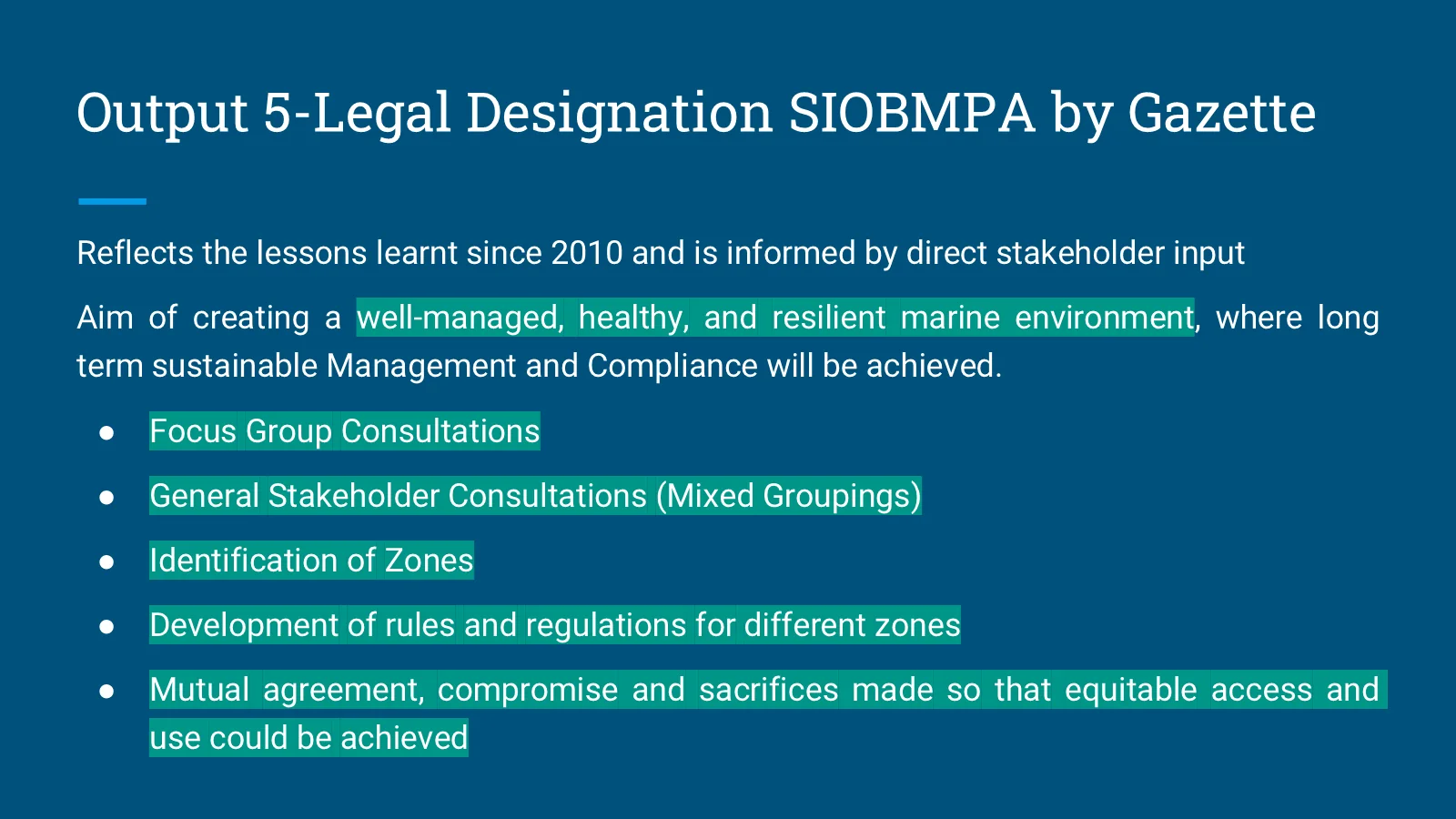
The Sandy Island Oyster Bed MPA case study connected post-Beryl restoration with a longer-standing management challenge: how to build participation, trust and compliance in a shared marine space.
Denzel Adams introduced the project supported by the Grenada Sustainable Development Trust Fund and its partners. The work included clean-up, revegetation and direct involvement by fisherfolk and community members.
Dr. Stephen Nimrod then explored the zoning and consultation process. He described disagreements, negotiation and compromises over how different activities could be accommodated.
The account linked the rules on a map with the relationships needed to make management work. Monitoring and feedback remained important to understanding whether the negotiated approach would achieve its purpose.
05 / JOHNNY CALLISTE · GSDTF
From designation to the means to manage.
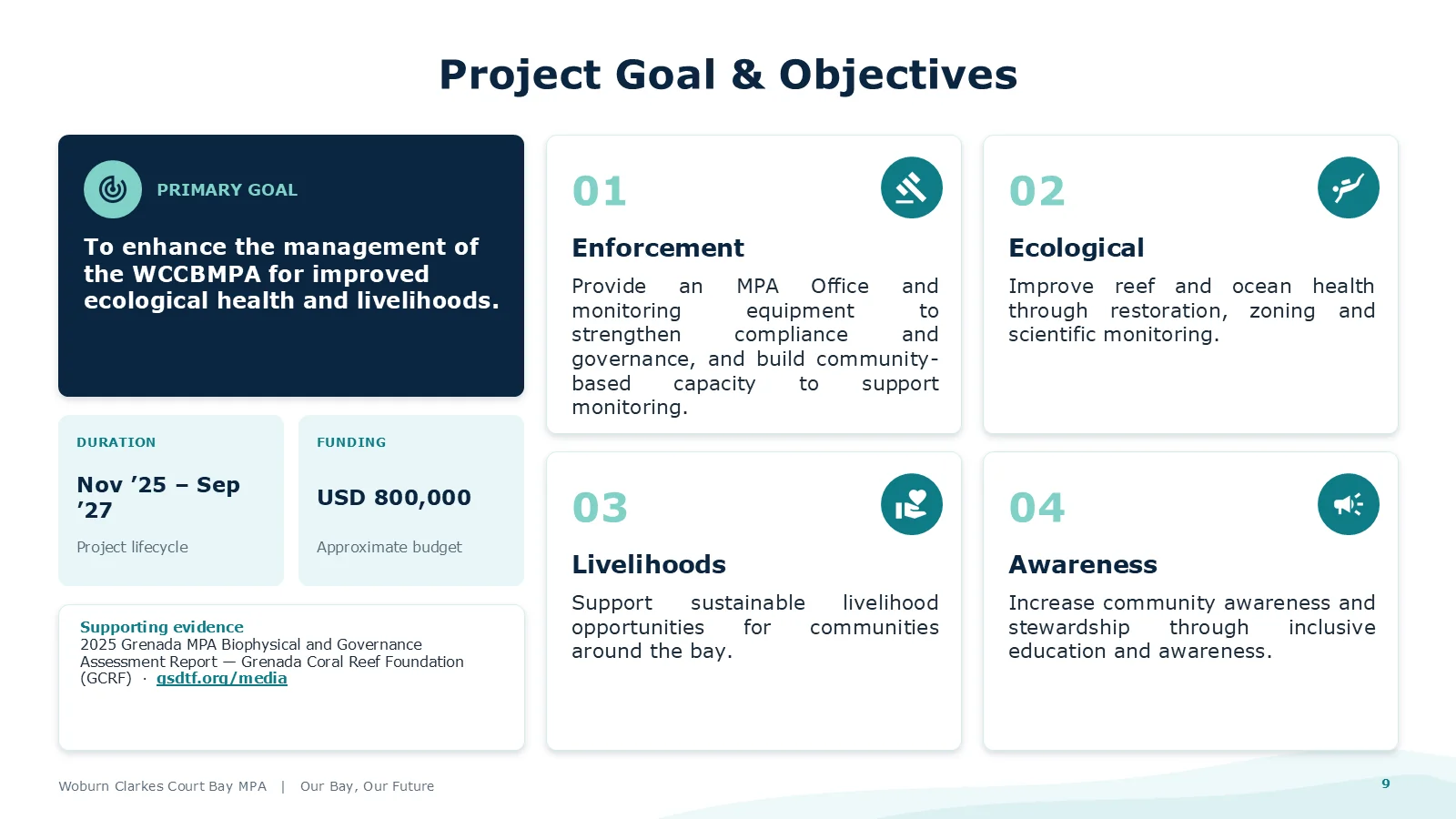
Johnny Calliste presented the Woburn Clarkes Court Bay MPA project from an implementation perspective: the people, systems, facilities and partnerships needed to support active management.
His presentation connected monitoring, stakeholder consultations, community awareness and livelihood support with the practical resources managers need. The work also included planning for an office, boundary markers and equipment.
Alongside completed monitoring, consultation and awareness activities, Johnny outlined the next steps for facilities, equipment and boundary markers.
That discussion gave the afternoon visit a useful context. The group would be seeing a bay where conservation, boating, tourism, coastal development and community life meet.
AFTERNOON / WOBURN CLARKES COURT BAY
Take the discussion onto the water.
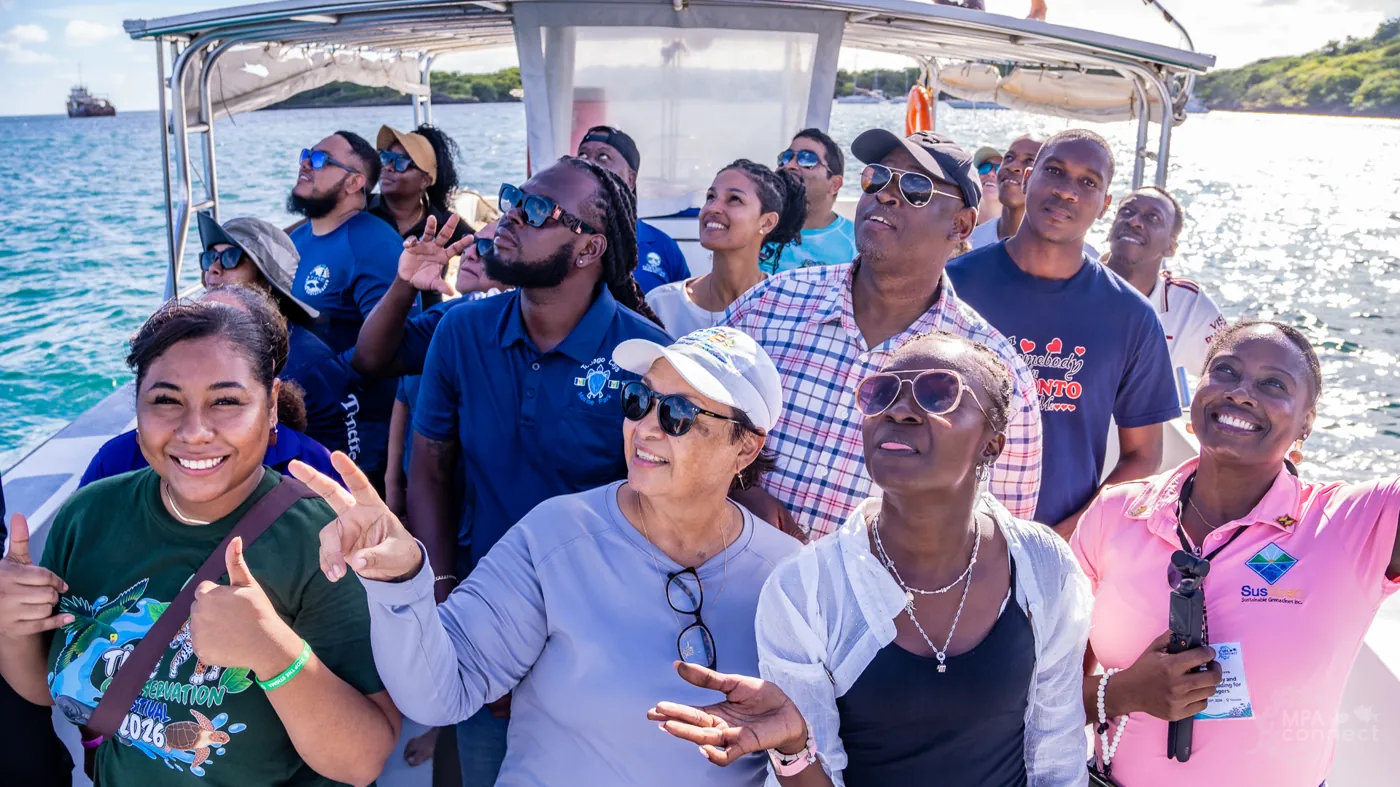
Leaving the conference room changed the scale of the conversation. From the boat, participants could see the coastline, vessels, waterfront activity and the marine setting discussed in the morning.
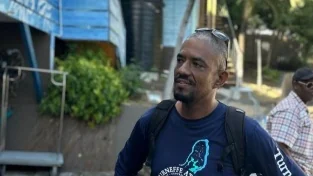
The boat tour with Aquanauts took participants through Woburn Clarkes Court Marine Protected Area, bringing the morning’s management discussion into view.
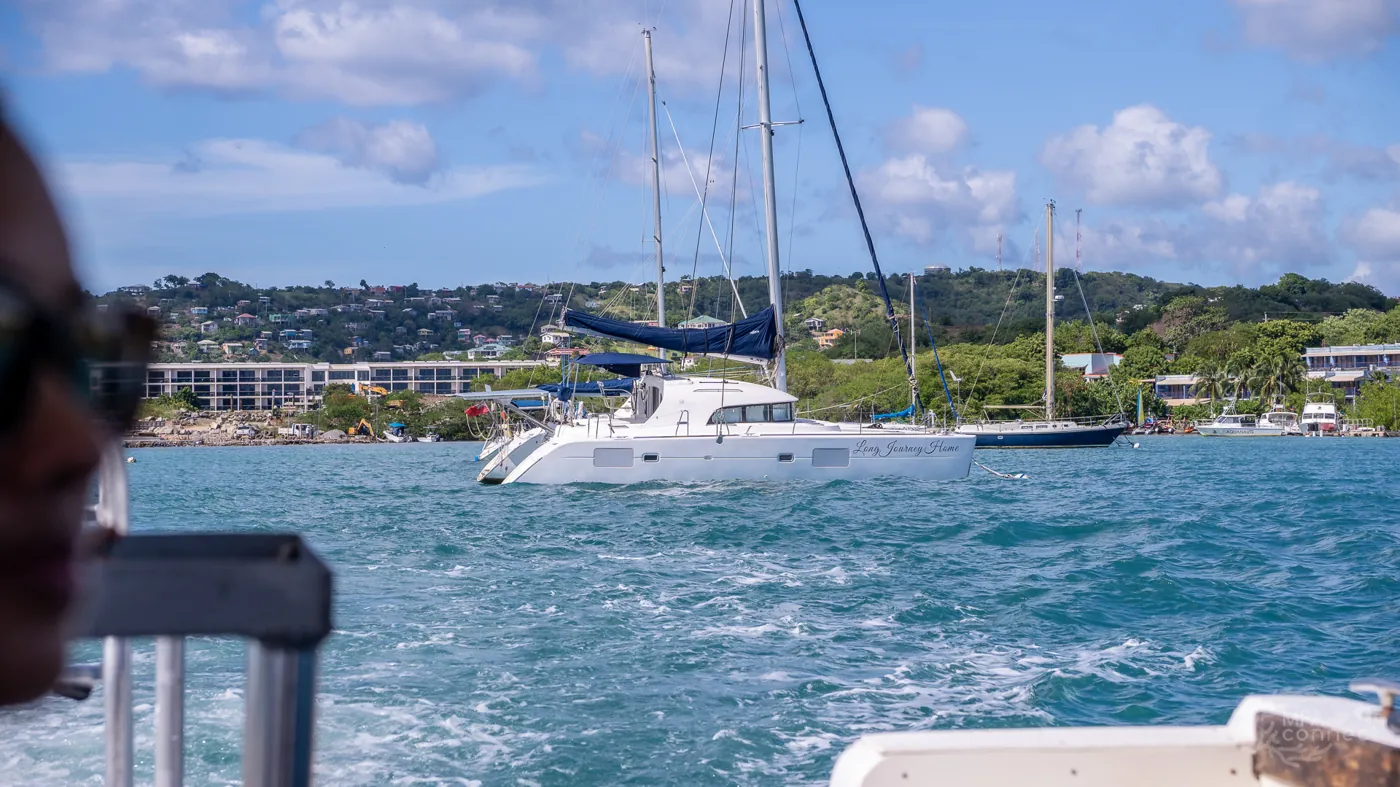
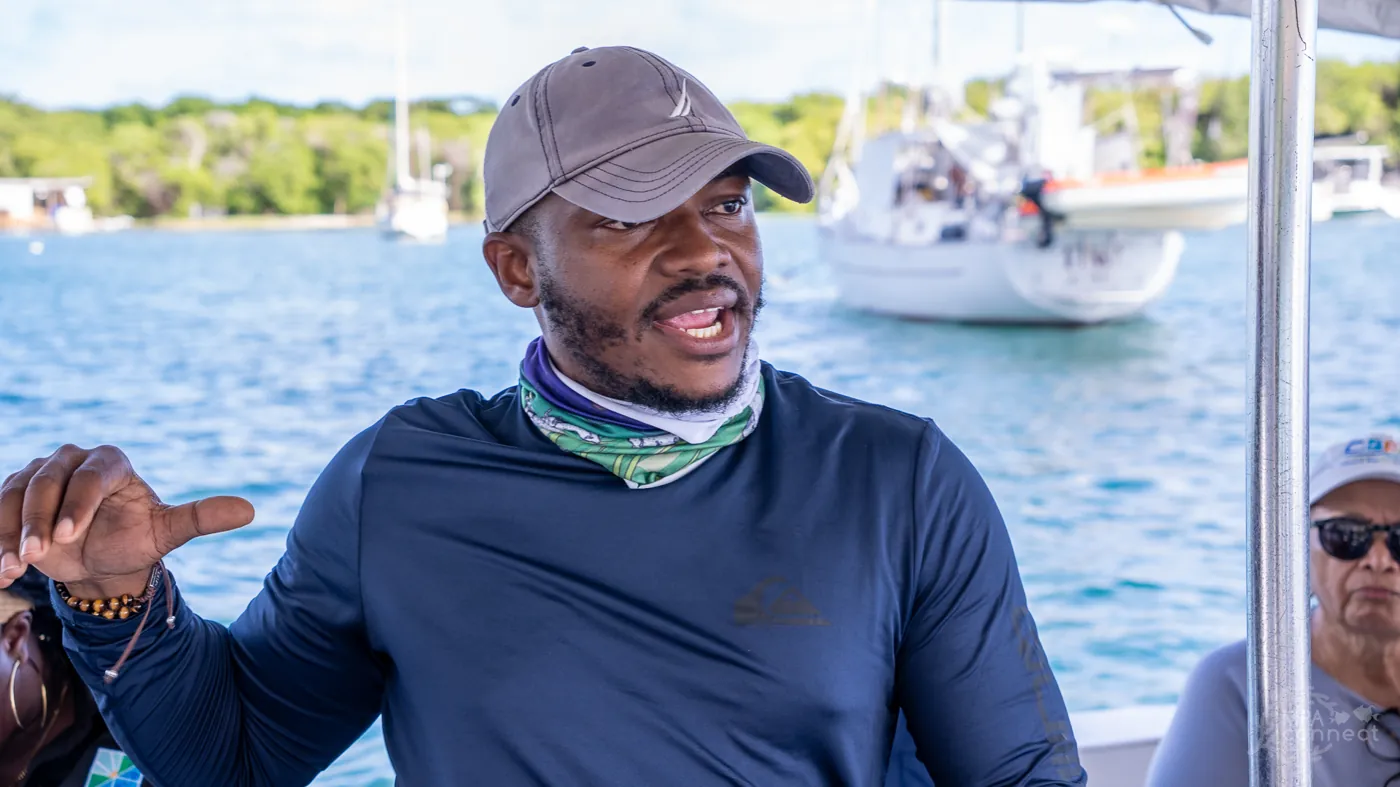
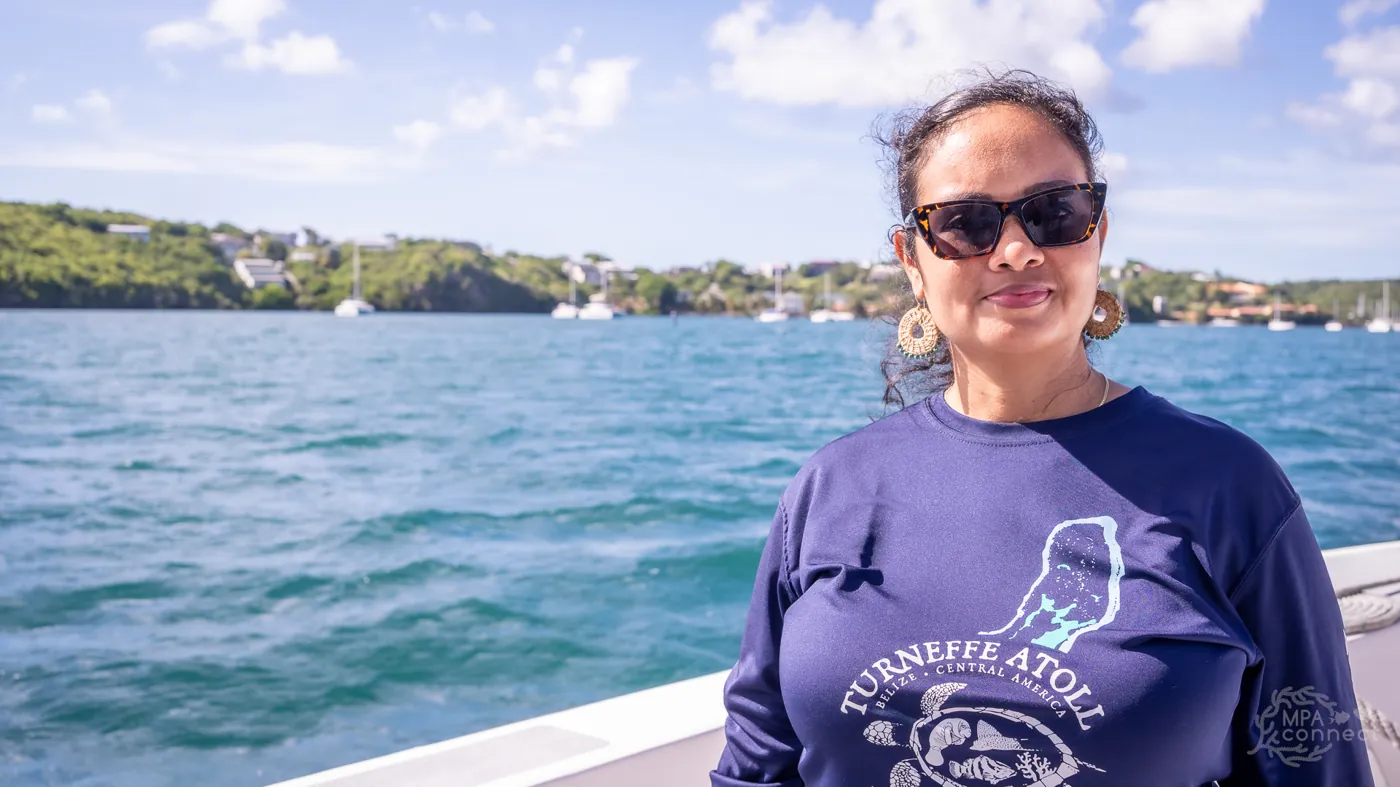
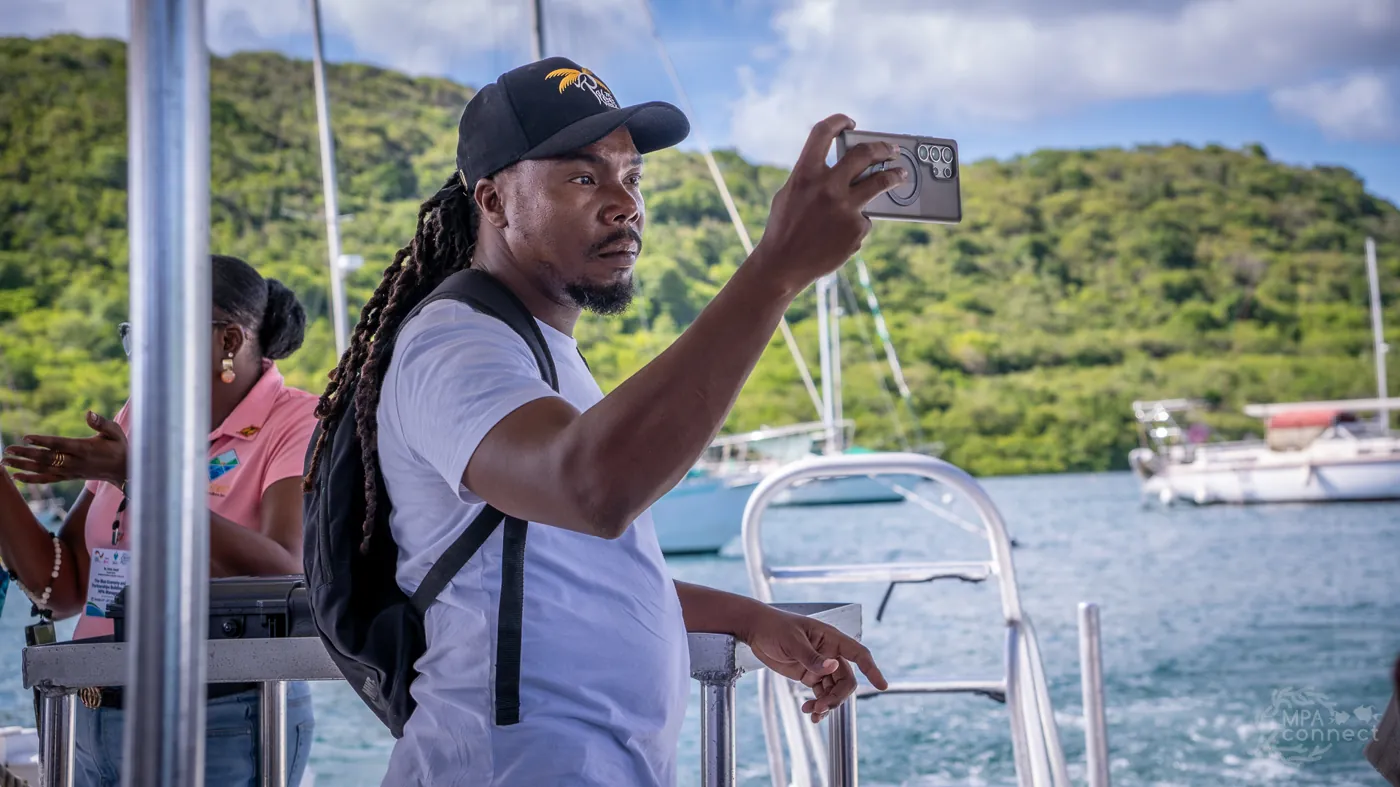
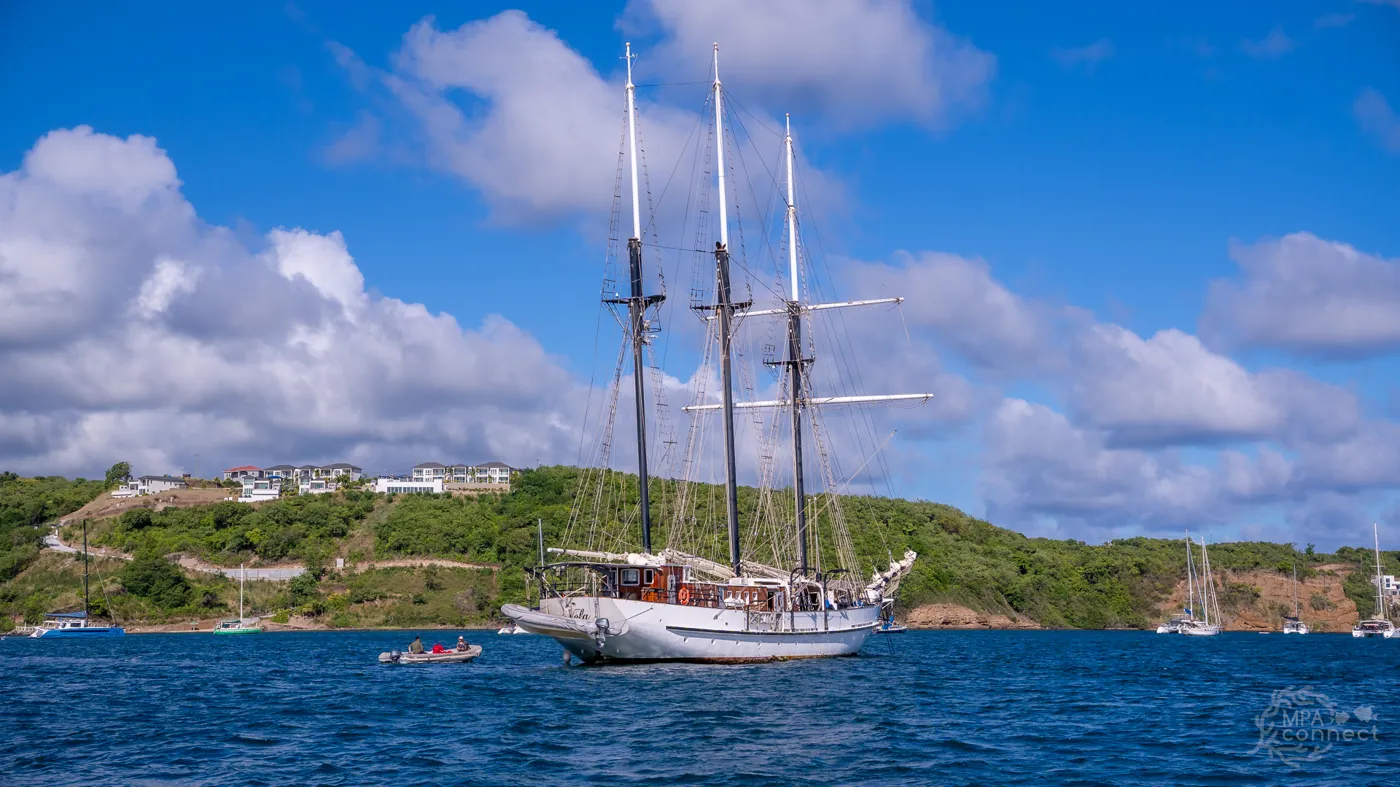
The visit also created room for the quieter work of an exchange: questions between colleagues, observations from the boat and connections that can continue after the workshop.
EVENING / RECOGNITION & CONNECTION
The award and networking event.
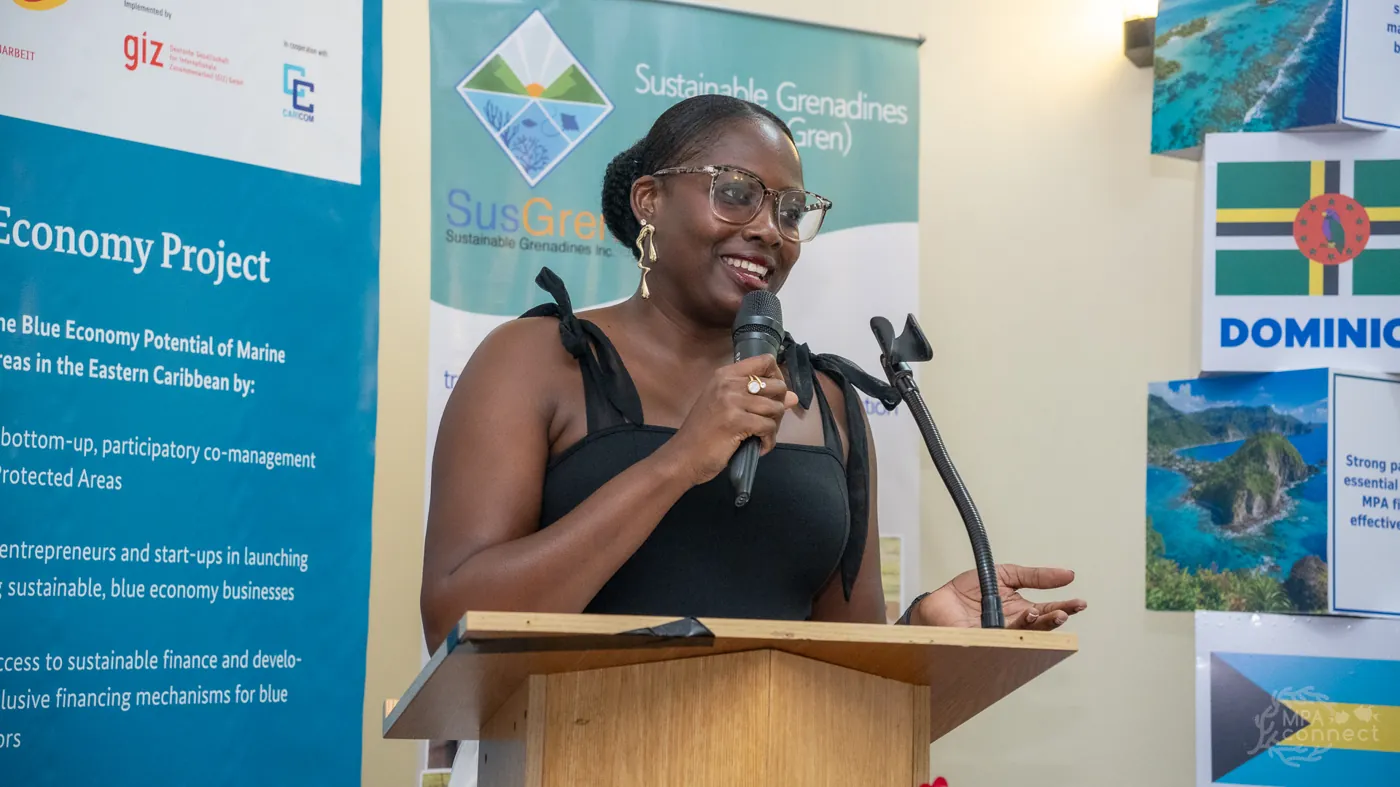
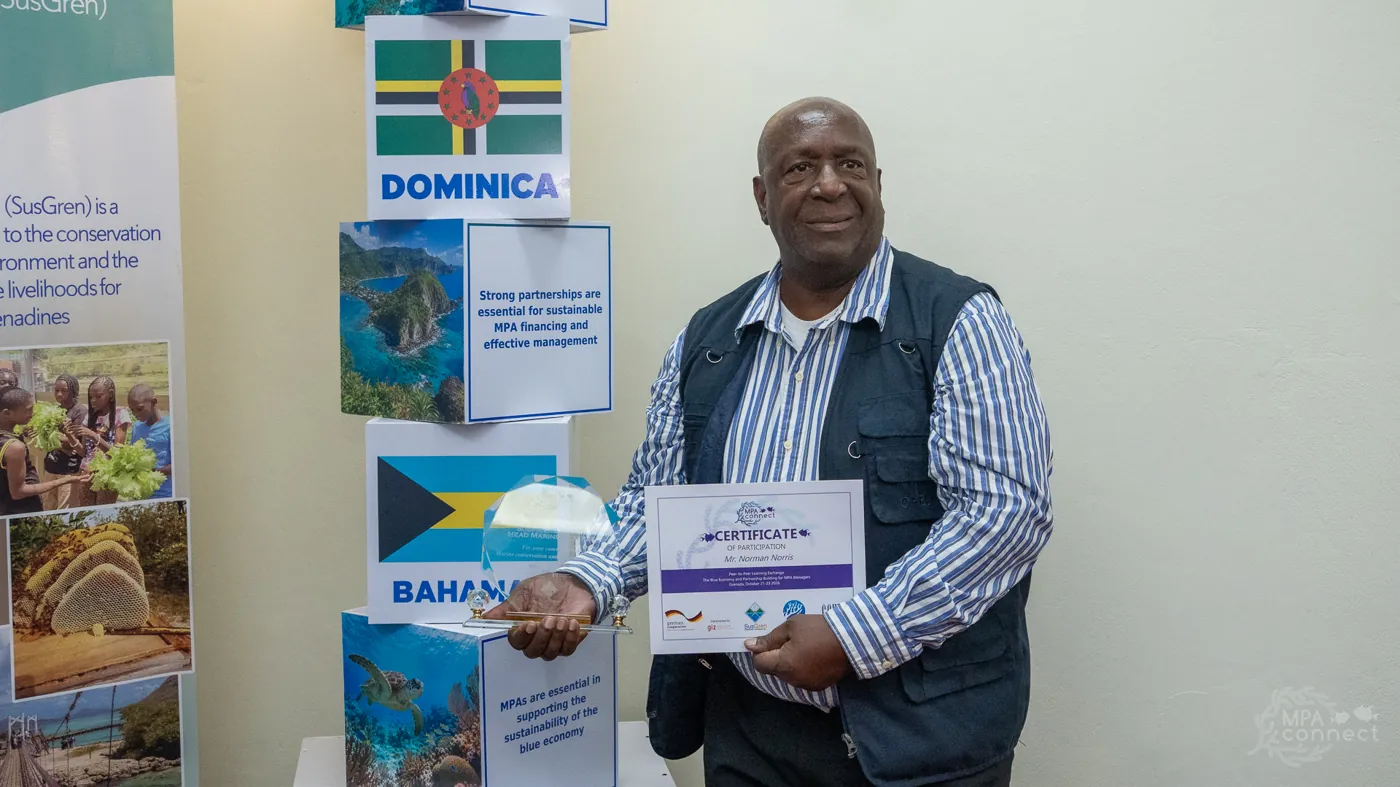
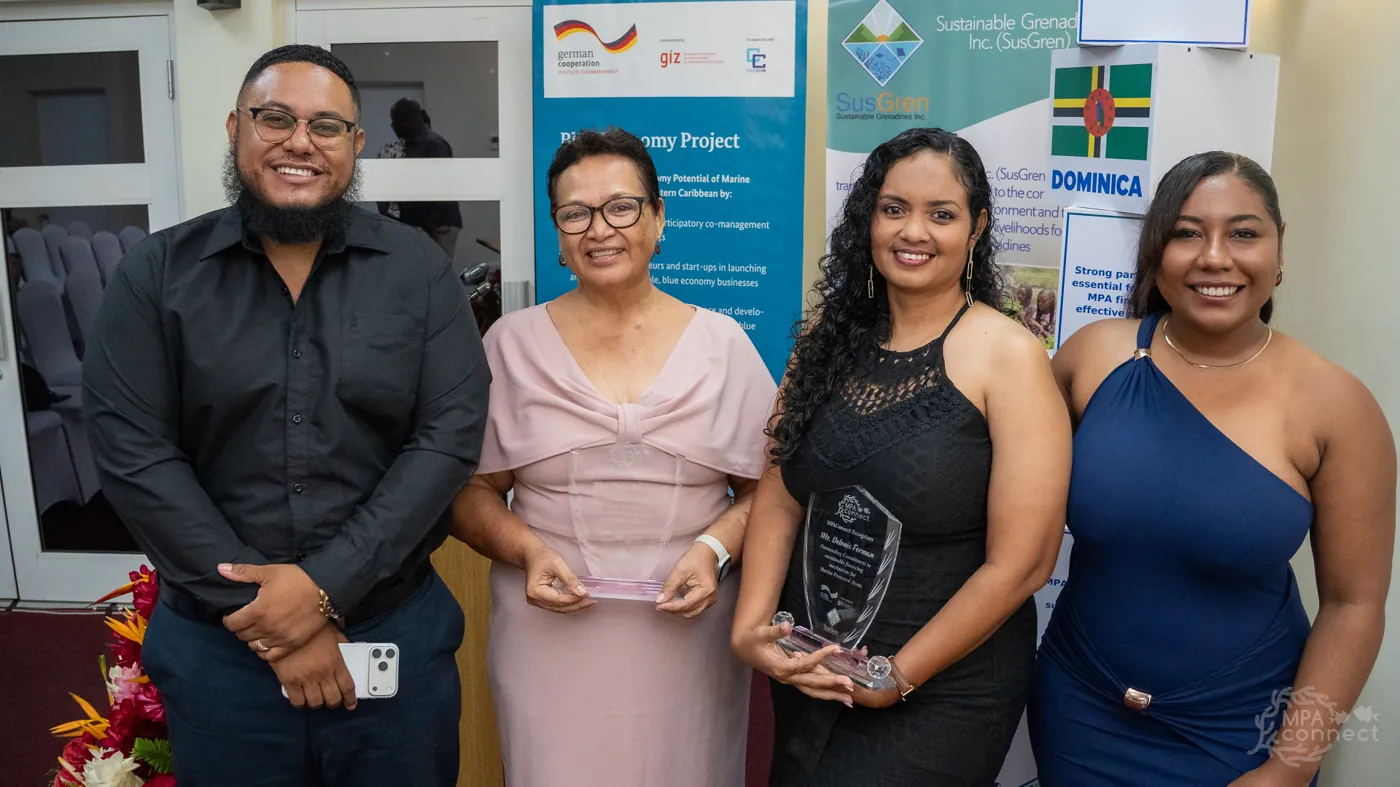
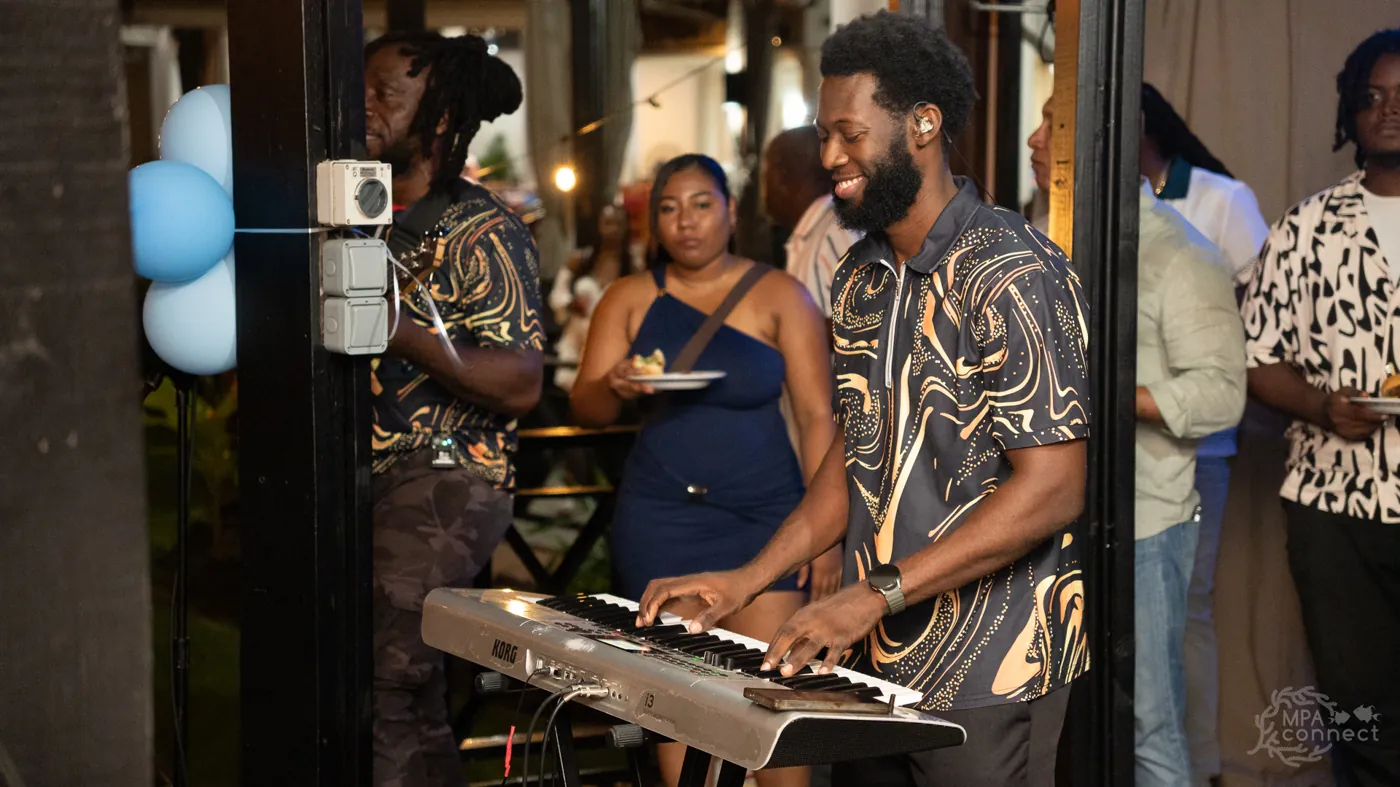
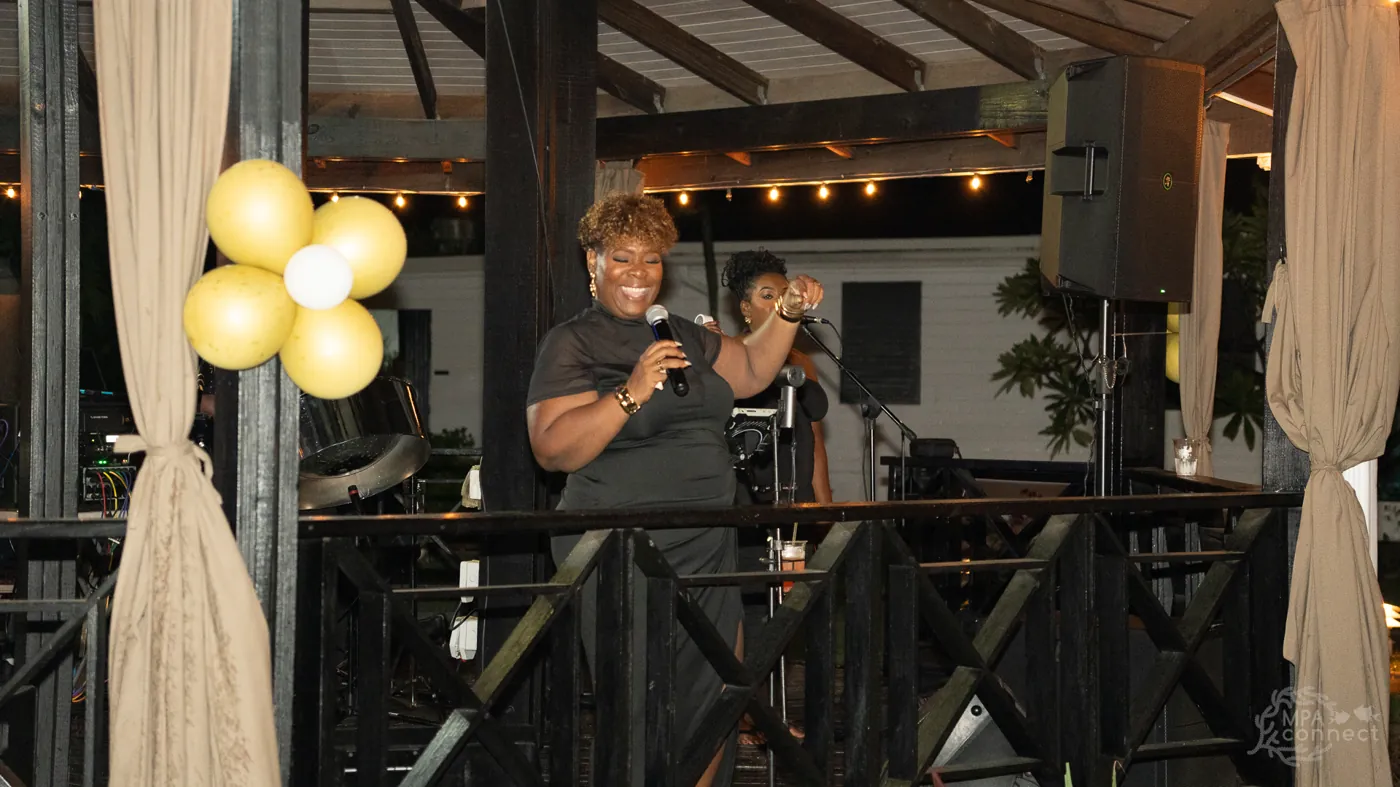
Friday’s award and networking event brought participants together for certificates, recognition, music and time with colleagues.
The photographs extend the workshop record beyond the formal sessions. They show people sharing certificates, speaking, gathering for photographs and enjoying the close of the exchange.
THE THREE-DAY ARCHIVE